From Tramp Health to Tape Walkmans, the Luxury Consumer Mood Is Turning Tactile
Jun 14, 2026/4 min read
SOCELLE's top cluster this hour was not one beauty headline but a spread of stories about wellness spaces, analog habits, warm interiors, and experiential travel that together point to a quieter consumer mood.
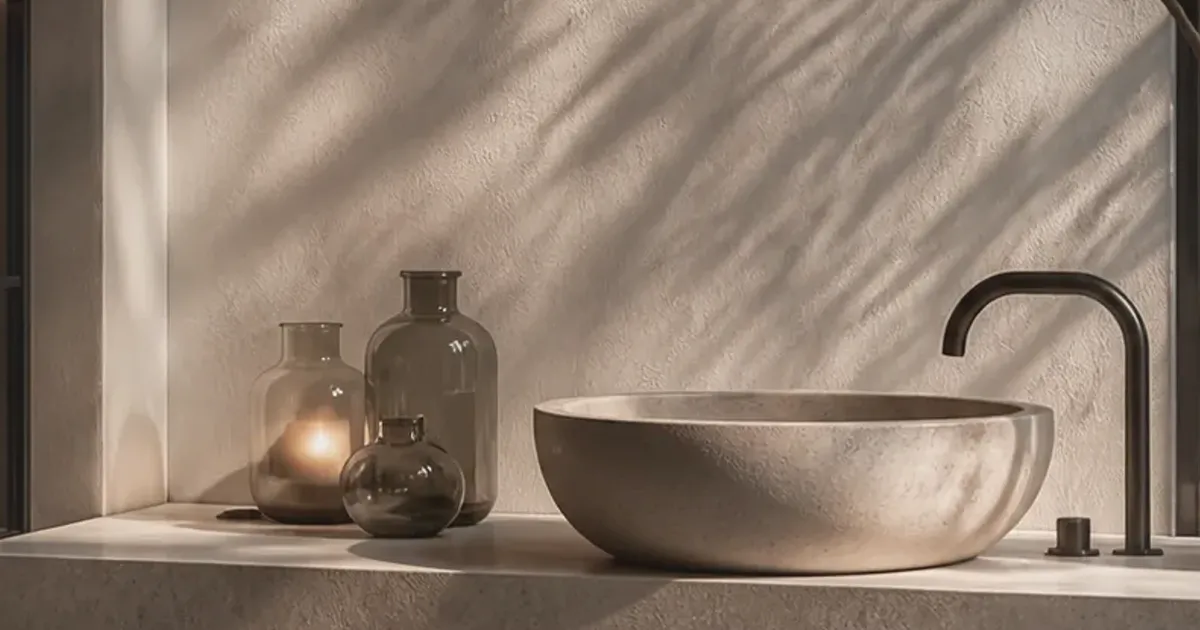
SOCELLE unique editorial photo illustration for From Tramp Health to Tape Walkmans, the Luxury Consumer Mood Is Turning Tac....
This hour's strongest SOCELLE cluster did not surface one decisive beauty-company announcement. It surfaced a broader consumer mood. Across stories about a new London wellness sanctuary, warm-minimalist interiors, renewed affection for cassette listening, memory-rich solo travel, and beautifully designed board games, the connective tissue was a preference for tactility, atmosphere, and slower forms of engagement over louder novelty. For operators, that is not random noise. It is a useful read on where premium attention appears to be settling.
What happened
The source mix in this cluster was unusually cross-category, but it was not directionless. Robb Report highlighted Tramp Health, a new wellness sanctuary at the Chancery Rosewood in London, signaling continued appetite for hospitality-grade wellness environments rather than narrowly clinical settings. The Independent pointed to warm minimalism in the home, with neutral palettes and softer visual temperature replacing colder, sharper aesthetic codes.
At the same time, TechRadar described a shift from streaming convenience back toward cassette listening, not as a scale trend in itself but as a cue that ritual and physicality still carry emotional weight.
Business Insider
framed travel through places that stay with a solo traveler after more than 50 countries, reinforcing the value of memory-rich, story-bearing experiences.
made a similar point from another angle: even leisure products are being filtered through design quality, material feel, and visual coherence.
None of those stories is a beauty launch. Taken together, they still say something useful to beauty, wellness, and hospitality operators. The current premium consumer read is less about maximum stimulation and more about sensory credibility. That is an inference from the cluster, not a claim from any one source, but it is the clearest shared pattern in this hour's stack.
Why it matters for operators
For medspa, salon, and wellness operators, the practical takeaway is that atmosphere is behaving more like product. Consumers do not experience service, retail, design, and story as separate layers. They experience them as one signal bundle. If the environment feels rushed, synthetic, or visually generic, it can undercut the treatment, consultation, or retail offer before price or efficacy even enters the frame.
This matters in three concrete ways.
First, operators should revisit spatial temperature. The warm-minimalism signal matters because many premium service businesses still over-index on bright-white clinical codes or generic luxury cues. Bone, paper, stone, matte finishes, quieter merchandising, and more intentional transitions between reception, consult, and treatment space can all strengthen perceived care quality without making medical claims. The goal is not to look expensive in the abstract. The goal is to feel considered.
Second, operators should treat tactile ritual as a commercial asset. The cassette story is useful here because it points to a recurring consumer behavior: people still value formats that slow them down and give them something physical to hold, choose, or return to. In operator terms, that can mean fewer crowded fixture tables, more focused product narratives, printed treatment aftercare cards that feel worth keeping, textured sampling moments, or service add-ons that extend the memory of the visit. Tactility is not nostalgia for its own sake. It is a way of making value feel legible.
Third, the Tramp Health and travel signals suggest that beauty and wellness continue to borrow from hospitality. Consumers increasingly compare a treatment visit not only with another spa or clinic, but with boutique hotels, private clubs, and travel experiences that feel authored. That raises the bar on arrival, pacing, scent, sound, and post-visit follow-up. Operators who still think only in terms of appointment throughput may miss that the market is also grading them on editorial coherence.
For brand teams, the same logic applies to merchandising and campaign planning. Packaging, education, and point-of-sale materials should support a calmer, more tactile luxury register rather than louder urgency. If your retail story depends on discount framing or an overload of claims, it may read against the direction of consumer attention visible in this cluster.
What to watch
Watch for this pattern to show up in the beauty category through indirect signals first rather than headline launches. That could mean more treatment rooms and retail corners designed with residential warmth, more founder language around ritual and recovery, and more wellness concepts that borrow club or hotel cues. It could also mean stronger performance from businesses that present fewer choices more deliberately.
Also watch whether the signal stays cross-category. If similar cluster mixes keep appearing across interiors, travel, leisure, and wellness, operators should treat that as confirmation that the mood is structural rather than anecdotal. SOCELLE will keep tracking that on SOCELLE Intelligence and in the reports archive at socelle.com.
The near-term implication is simple: in a crowded market, tactile calm may outperform visual noise.